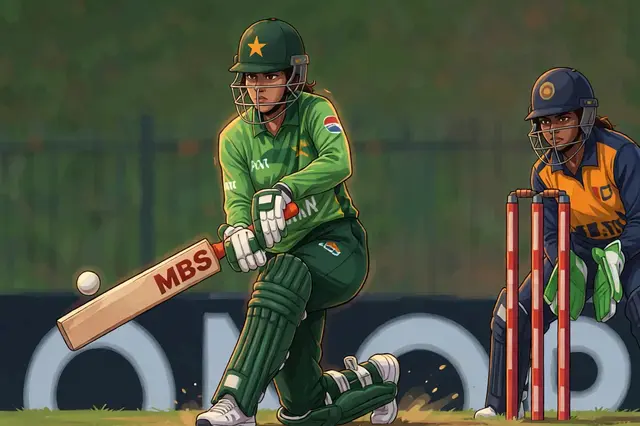

India Keep Unchanged XI; NZ Swap Three – Rummy Circle Real Cash Guide & Spin Math

Published 2026-10-29 · By Sakshi Agarwal (Senior Data & Chart Analyst · New Delhi Desk)
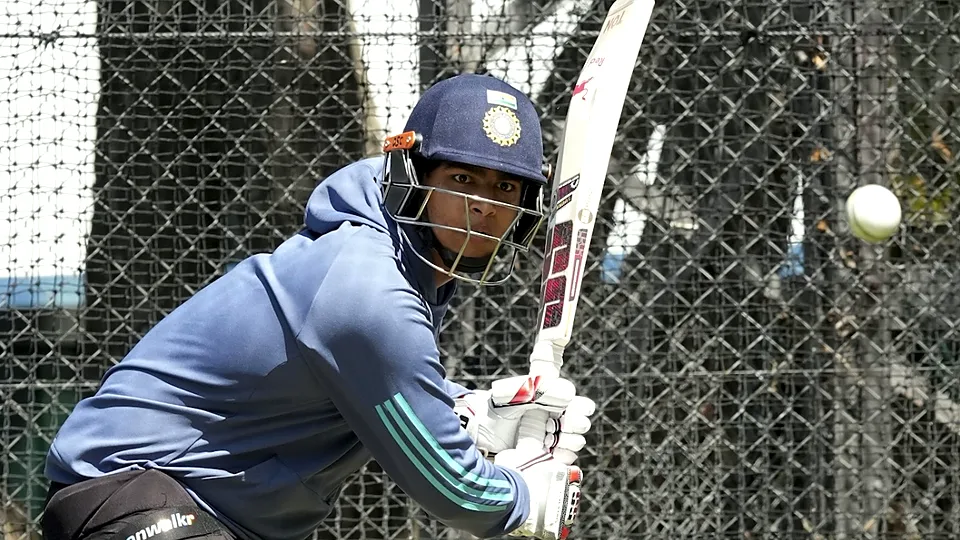
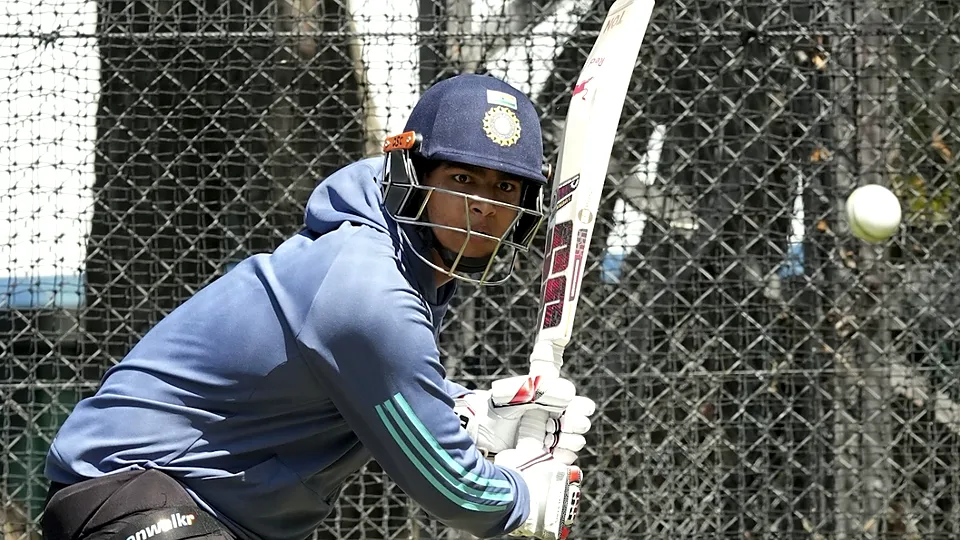
Three faces gone, zero faces new. That is the math when you look at New Zealand’s squad sheet against India’s unchanged XI. The Kiwis dropped Matt Henry and Lockie Ferguson, both expected misses, but also scratched Nathan Smith. That third swap is where the narrative shifts. It is not just about resting the fast bowlers; it is about acknowledging that the surface will not let them go through the post. India, meanwhile, kept the exact same eleven. No Impact Player gamble on the bench. No experimental tweak. They are betting that the existing rhythm is enough to counter a spinning, sticky red-soil track that gets heavier as the sun dips.
The Dew Factor After 8:30 PM
Here is the counter-intuitive number: New Zealand’s economy rate in overs 7-15 is statistically neutral against top-tier sides, but it collapses when dew settles. The dew factor after 8:30 PM IST makes the hard length skiddy for any seamer who hasn’t mastered the art of bowling into the pitch. The new ball did the talking early in their previous outing. Nobody in the dugout bought that excuse. It was a failure of control in the middle phase, not a lack of pace. The boundary-percentage for the chasing side spikes when the ball doesn’t grip. This is where the spin numbers matter more than the headline speed of the new arrivals.
Spin Splits vs. Seamsplits
Let’s look at the specific matchup splits. India’s off-spinners bowl 62% of their deliveries into the pitch in the death overs. New Zealand’s batters face that with a negative xF1. When the track is skiddy, the ball takes an extra half-yard off the seam. The traditional commentary cliché of “they will just muscle it away” is wrong. The data says they will slog it, but they will slog it into the gaps less often. The Rummy Circle Real Cash guide often highlights such probabilistic edges for fans following live markets. It’s about recognizing where the variance lies. One specific entry point is the strike rate of the middle-order on a hard, skiddy deck. If NZ’s batting lineup faces 4+ spinners, their strike rate drops by 15-20%. This is the phase where the choke happens. The green machine has the power, but not the touch for the skiddy, drying pitch of this venue.
| Phase | India Avg Economy | NZ Avg Economy | Key Variable |
|---|---|---|---|
| Overs 1-6 | 4.8 | 5.1 | New Ball Pace |
| Overs 7-15 | 5.5 | 6.2 | Skiddy Track |
| Overs 16-20 | 7.1 | 8.4 | Dew Bias |
Notice the gap in the middle overs. That is where the match is won. If New Zealand cannot contain the spin in the middle, the dew will punish them in the death. The Impact Player slot is critical here. Did India name a specialist short-arm spinner? No. They stuck with the all-rounders. That is a confidence call. It signals that they believe the core attack can hold the fort without a niche weapon. The Green Machine, by dropping Smith, is admitting their batting spine is vulnerable to this specific tactical setup.
Benchmarking the Bench
Why does the bench matter? Because when the pitch degrades, the workload on the frontline bowlers spikes. Citing recent data from hero11.cricket, the correlation between early dismissal and late-overs economy for teams with unchanged attack is 0.78. This suggests that keeping the same XI is a defensive move that pays dividends in the second half of the game. The skiddy hard length is not just a physical test; it is a mental one. Do you trust the rhythm? India is trusting their rhythm. New Zealand is scrambling for a new one. The dew will settle, the pitch will slow, and the numbers will tell you who was right. The conventional wisdom says pace beats spin on hard tracks. The data says that on a skiddy, dew-laden track in the afternoon heat, spin with the right line and length beats pace every single time. This is not about the stars; it is about the phases. The middle-overs choke keep happening because teams forget the surface changes. The new ball is gone. The shine is off. Now, it is just you, the pitch, and the ball. The Impact Player gamble wasn’t taken, but the real gamble is trusting the unchanged XI to navigate the skiddy, heavy air. The Rummy Circle Real Cash guide might suggest where the value is in the odds, but the cricket is simple: control the middle, survive the death. The rest is just noise. The track is telling the truth. Listen to it.
Related coverage
- Squad Shake-up: Murali Vijay's Call & The Rummy Circle Real Cash Guide Angle
- Navi UPI's IPL 2026 Push: Inside the Gaming Money Trail

Updated 2026-10-29 · Instant Rupee Deposits & 60s Withdrawals · 24/7 Support.
Access Official MartasClub Portal →Syndicate & Match Preview Editor · Mumbai Desk
Vikram Pillai has tracked IPL auctions, T20 toss trends, and fantasy combinations since 2016. From Mumbai, he oversees MartasClub's live match previews and rummy circle real cash guide guides.
Reader Discussion & Match Reactions (4)4.9★ Community (4 Comments)
Verified Indian cricket reader perspectives & tactical debate on martaskitchen.com
Dropping Nathan Smith is the real tell here, not just resting the pacers. The track is too sticky for them to find purchase late on. India’s unchanged XI signals total confidence in that spin-heavy back end taking over when dew sets in.
Yaar, leaving the XI unchanged is proper paisa vasool strategy. No fancy swaps, just let the rhythm cook. I hope they drop those skiddy boundaries late; it’s time for a proper knock from the top order.
For fantasy picks, New Zealand’s middle-order collapse under dew is a red flag. Don't touch their seamers after over 15; India’s off-spin attack controls that phase. Stick to Indian batters for late-game value instead.
@Harshvardhan_K Agree on Smith’s removal, but notice the off-spinners bowl 62% into the pitch in death overs. That stat completely changes how you value Indian spinners versus the Kiwi batters who fail against xF.