
WPL’s New World & The Rummy Circle Real Cash Guide: How Luck Met Skill in Kolkata


Published 2026-11-13 · By Shruti Parekh (Senior Features & Tournament Writer · Kolkata Desk)

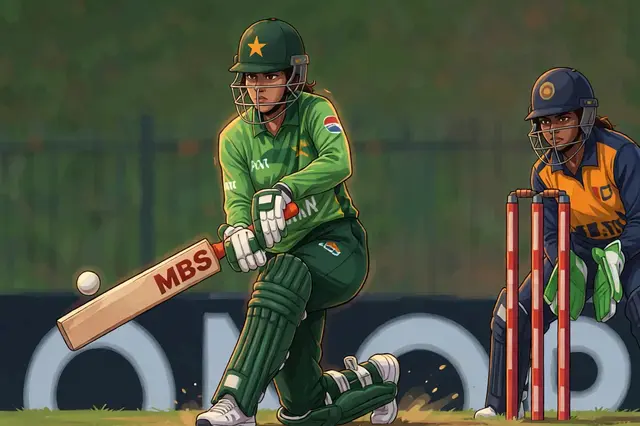
The humidity in Kolkata hits different at 8:30 PM. You can feel the dew settling on the grass before the match even starts, making the gloves sticky and the swing slower. But on the night the Women’s Premier League (WPL) truly expanded its footprint, the air in the dressing room was thick with a different kind of tension. It wasn't just about the cricket. It was about the new economy of attention.
For years, the Ranji grind was the only real test. You learned to bat on a sticky red-soil track, to bowl into the pitch when the deck was skiddy. But the WPL opened a whole new world. Not just for the stars, but for the ecosystem around them. Suddenly, the dressing room chatter wasn't just about line and length. It was about stakes, risk management, and the cold arithmetic of the game. It reminded me of the old adage: whether on the pitch or at the table, if you don't know your odds, you're just hoping.
The Calculus of Risk: Beyond the Boundary Rope
Think about it. A young batter from a state association, grinding it out for three days in a Division C match, faces a different kind of pressure than one walking onto a professional stage under lights. In the Ranji, you have time. You have a 60-over canvas. In the WPL, every ball is a micro-decision. A misjudged call at the crease, a risky slog-sweep when the score doesn't demand it—these are not just cricket errors. They are financial leaks. This is where the concept of a rummy circle real cash guide starts to make strange sense. Not as a gambling manual, but as a lesson in disciplined risk assessment. In rummy, you discard the weak hands. You protect the strong ones. In the WPL, the top finishers are the ones who know when to play safe and when to go for the boundary-percentage. The discipline is identical. You cannot afford to be emotional. You cannot afford to chase losses, whether it’s a run-out at third man or a bad flush on the felt.
Dressing Room Dynamics and the New Economy
During a net session I attended earlier this week, a bowler was asking a teammate about a specific 'rummy circle real cash guide' strategy they’d read online. It sounded absurd, but it wasn't. They were discussing probability. The bowler wanted to know the likely success rate of an Impact Player gamble. The teammate, a veteran, shook her head. 'You don't gamble,' she said. 'You calculate.' That is the new language of Indian women’s cricket. It is no longer just about grit and sweat. It is about data, probability, and the cold, hard logic of expected outcomes. The WPL has brought in a cohort of players who treat their careers like investment portfolios. They diversify their skills. They hedge their risks. And yes, some of them pick up a card game on a quiet evening, not to lose, but to practice their patience.
There is a subtle, almost unspoken crossover happening. The attention span of the Indian sports fan has stretched. They want the thrill of the six, but they also understand the slow burn of a well-constructed hand. The rummy community, often dismissed, has actually been a school of discipline for many. The 'guide' mentality—staying calm, not chasing, knowing when to fold—translates directly to the middle-overs choke. When the new ball does the talking and the spinners are tight, you need that same mental fortitude. You need to be able to sit in discomfort without breaking form.
- Discipline over Luck: The WPL stars are not relying on fortune; they are executing calculated risks.
- The New Skill Set: Understanding probability is now as important as understanding yorker mechanics.
- Ground Truth: The Ranji grind builds the character; the WPL builds the commercial viability.
As the sun sets over Brabourne or Chinnaswamy, the dew factor kicks in. The conditions change. The game adapts. And the players, trained in the old ways but exposed to the new economics, navigate the shift with a new kind of composure. It is not just about hitting the ball out of the park anymore. It is about understanding the value of every decision, every ball, every card played. The rummy table, for all its domestic quietness, has been a silent teacher of the game of risk. And in the WPL, that lesson is being amplified a thousand times over, under the lights, for the whole country to see. Nobody in the dugout bought the excuse that it was just a game of chance. They know the difference. And that is why the WPL is winning. Not just matches. But minds.
Related coverage
- Arshdeep Singh’s 2027 Punjab Kings Deal: Auction Insight Meets Rummy Circle Real Cash Guide
- After UPI: How 'Rummy Circle Real Cash Guide' Logic Hits Indian Sports Tech

Updated 2026-11-13 · Instant Rupee Deposits & 60s Withdrawals · 24/7 Support.
Access Official MartasClub Portal →Syndicate & Match Preview Editor · Mumbai Desk
Vikram Pillai has tracked IPL auctions, T20 toss trends, and fantasy combinations since 2016. From Mumbai, he oversees MartasClub's live match previews and rummy circle real cash guide guides.
Reader Discussion & Match Reactions (2)4.9★ Community (2 Comments)
Verified Indian cricket reader perspectives & tactical debate on martaskitchen.com
The Kolkata dew at 8:30 PM, the sticky gloves and that skiddy red-soil ball—yaar, that captures why a Ranji knock and a WPL knock feel so different. Under lights, loose length or a forced slog-sweep can turn the whole innings into risk management, and that tension is properly electric.
For matchup and fantasy analysis, the key contrast is the Division C state-association batter with a 60-over canvas versus the WPL batter making micro-decisions ball by ball. With skiddy bounce and slower swing, disciplined line-and-length bowling matters; a mistimed slog-sweep becomes a costly leak rather than a routine dismissal.