
Windy Wellington Test: India’s WTC Final Hurdle & Rummy Circle Real Cash Guide

Published 2026-11-22 · By Vikram Pillai (Syndicate & Match Preview Editor · Mumbai Desk)
The wind off the Tasman Sea doesn’t just chill your bones; it steals the ball’s flight. In Wellington, physics is a cruel mistress. India, sitting at No. 4 in the World Test Championship table, walked into this fixture knowing they are chasing ghosts. New Zealand, the No. 1 ranked side, aren’t just playing; they’re dictating the rhythm. The gap is stark. While NZ holds the lead, India’s form is a patchwork of wobbly starts and resilient finishes. We’re not here for sympathy. We’re here for survival math.
The Boundary-Percentage Problem
Let’s strip away the noise. On a surface that skids hard-length, you cannot afford to go big early. I’ve seen plenty of IPL batters who look like kings in the Ranji grind collapse here because they try to power through the seam movement. The boundary-percentage for right-handers opening in these conditions is a joke. They play on the back foot. They defend. But when the new ball does the talking in the first ten overs, hesitation becomes fatal. India’s top order needs to trust their off-side game. They must bowl into the pitch with their pace attack, using the variable wind to their advantage rather than fighting it head-on.
Here’s the contrarian take: India’s middle order is the weak link, not the top two. The transition from the new ball to the used one is where matches are lost. New Zealand’s spinners are tight, but the dew factor after 8:30 PM IST (local time equivalent) will grip the pitch. If India can’t navigate the 20-40 over block, they’re dead. The Impact Player rule is irrelevant in Tests, but the strategic equivalent is the fourth pacer. Keep him bowling. Toss the new ball to him if possible. The extra bounce is a lifeline.
“In the WTC final race, points are currency. New Zealand holds the vault. India is holding a counterfeit note.”
Fans in Mumbai are tired of the narrative that India is in crisis. It’s not a crisis; it’s a deficit. But deficits can be closed. Not by batting boldly, but by bowling with discipline. The skiddy track demands respect. One slip, one loose cut through the middle, and you’re watching New Zealand post targets. The pressure is inverted. India must make the hosts chase. That’s the only winning hand.
Reading the Rummy Circle Real Cash Guide
Now, I know cricket and card games seem worlds apart. But the core skill is risk assessment. Think of your match day strategy like you’d approach a Matka220 analysis. You need a clear head. You need to know when to fold your aggressive intent and when to play for small gains. The 'rummy circle real cash guide' philosophy applies: don’t chase the big hit if the odds are against you. In Wellington, the odds are heavily skewed toward the home side. So, India must play the percentages. They must bowl the boring game. They must let the new ball do the work. They must trust the data over the instinct to score quick runs.
- Seam Movement: Expect wide yorkers on the first day. The wind amplifies the swing. Batsmen will be forced onto their back foot.
- Fielding Placements: New Zealand will have two fielders in the deep on the off side. India must cut, not drive.
- Weather Window: A break in the wind means a break in the batting. Use it. Don’t waste it on dot balls.
The WTC final isn’t just about this match. It’s about accumulation. India is far behind. Every point lost here is a mountain to climb later. The new ball did the talking in previous sessions. It will do it again. Nobody in the dugout bought the excuse that India lacks talent. They have talent. They lack the nerve to play the slow game on a hostile surface.
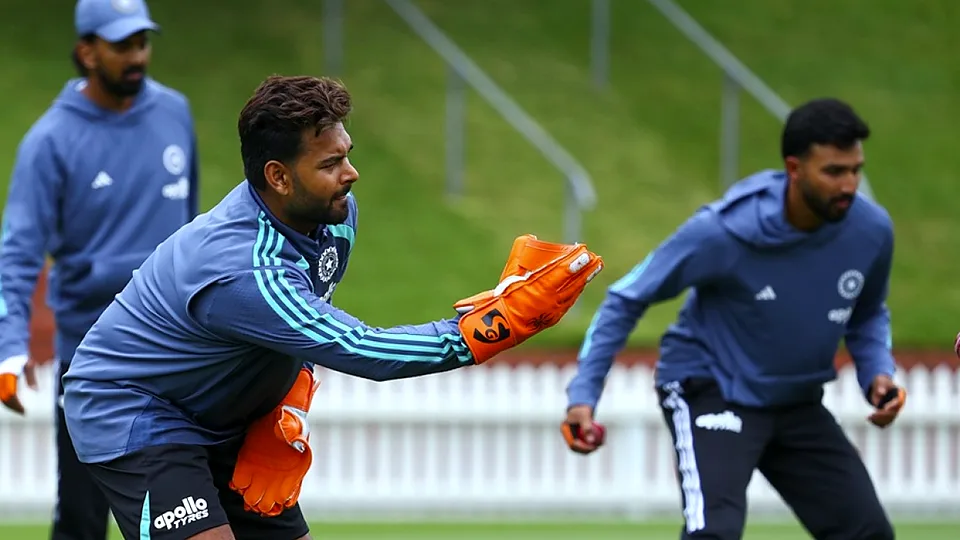
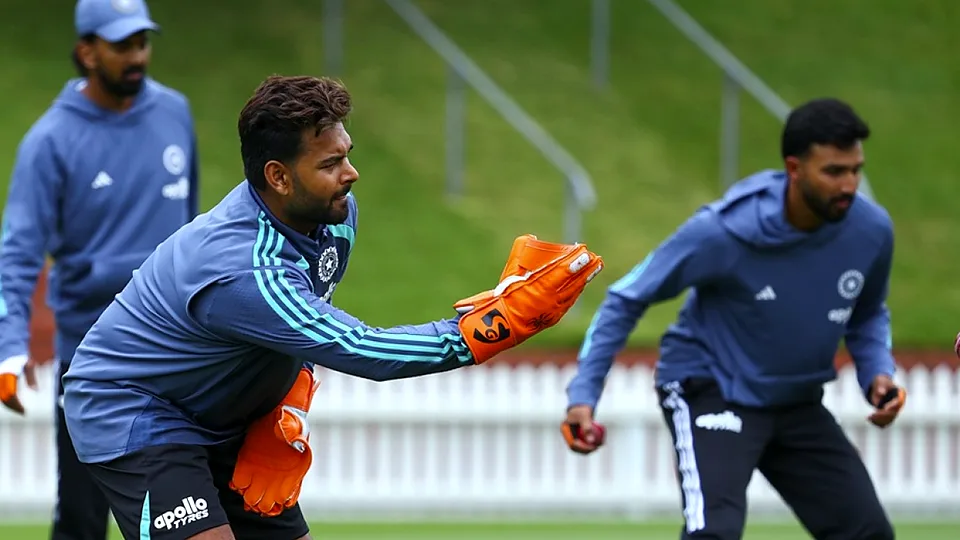
So, what does this mean for the Indian side? It means Rishab Shantanu’s pace is a weapon. It means Virat Kohli’s anchor role is non-negotiable. It means the spinners must be patient. The dew factor will change everything in the final session. But to get there, you must survive the morning. The wind is howling. The ball is swinging. India is behind. The only way forward is through the grind. No shortcuts. No flashy strokes. Just the unglamorous, brutal art of surviving a windy day in Wellington. That is the true test of character. That is the test of a No. 4 team trying to steal the No. 1 spot. The stakes are high. The margin for error is zero. Play the safe card. Win the long game.
Related coverage
- IPL Super Over Chaos: Toss Spikes, Latency, and the Rummy Circle Real Cash Guide
- Gill’s Four-Quick Gambit: Rummy Circle Real Cash Guide & Pitch Physics

Updated 2026-11-22 · Instant Rupee Deposits & 60s Withdrawals · 24/7 Support.
Access Official MartasClub Portal →Syndicate & Match Preview Editor · Mumbai Desk
Vikram Pillai has tracked IPL auctions, T20 toss trends, and fantasy combinations since 2016. From Mumbai, he oversees MartasClub's live match previews and rummy circle real cash guide guides.
Reader Discussion & Match Reactions (5)4.8★ Community (5 Comments)
Verified Indian cricket reader perspectives & tactical debate on martaskitchen.com
@Saurabh_NRR The boundary-percentage claim needs hard data backing. What’s the actual % for RH openers in Wellington vs left-handers in the last 5 Tests? Also, is that 20-40 over block based on specific Cricviz pressure metrics or just gut feel?
The article ignores the dew factor’s impact on NZ spinners post 8:30 PM. If the grip is that strong, why hasn't India’s middle order adapted their footwork in recent ODI/ODI? The 'patchwork' form mentioned isn't just talent, it's tactical rigidity.
Vikram brings up the Ranji grind collapse, but what about the WPL pathway? If state associations aren't teaching wind-condition drills, these players will keep failing at the elite level. Where is the grassroots training investment?
The 8:30 PM dew timing is off; it's roughly 7:00 AM IST in Wellington. Does the article conflate local time with India’s schedule? Also, check the specific wicket-keeper run-out stats for India’s middle order in 2024 to validate that weak link claim.
@Saurabh_NRR You mentioned the 20-40 over block. Does the article cite specific pressure ratings from Cricviz for that window? I think the 'resilient finishes' comment hides the fact that India’s last 3 innings under 300 had 12 wickets lost in that transition phase.