
Siraj Left Out: India's Christchurch Gamble and the Rummy Circle Real Cash Guide

Published 2026-11-27 · By Kunal Kapoor (Chief Cricket & Analytics Editor · Bengaluru Desk)
The new ball did the talking. But not in the way the dressing-room chatter suggested it would.
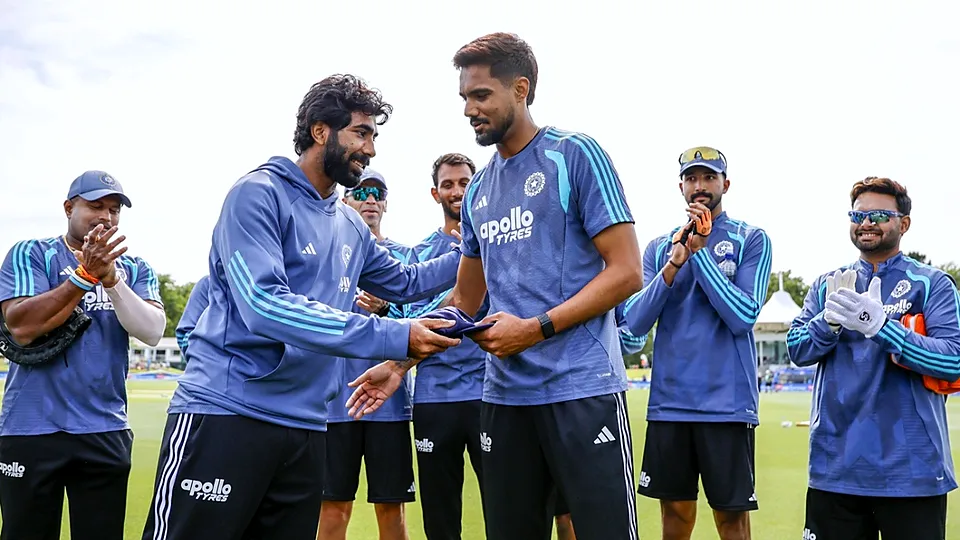
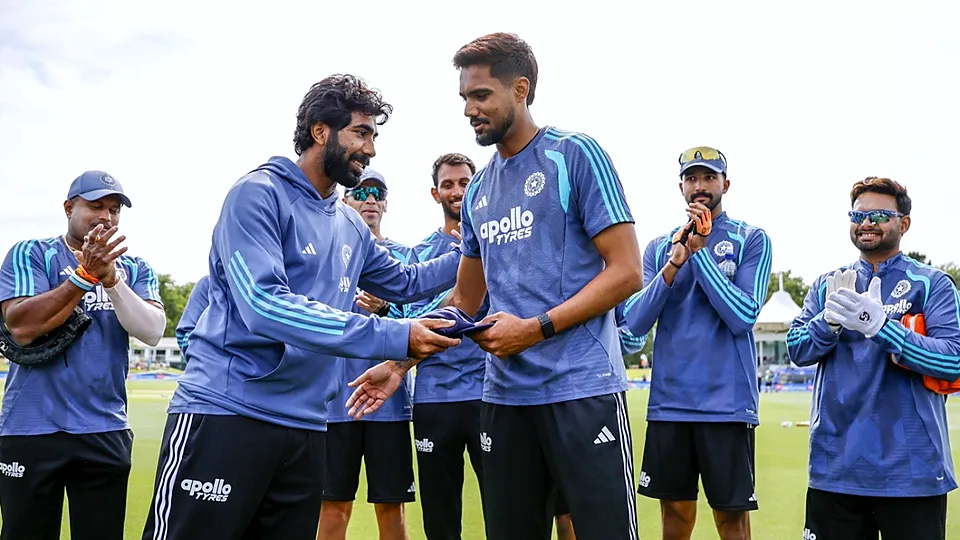
As the sun dipped low over Hagley Oval, casting long, distorted shadows across the skiddy hard length of the pitch, the selection committee’s decision finally landed. Mohammed Siraj, the pace spearhead who has carried the new-ball burst for years, sat on the bench. Ishaan Brar, the raw left-armer from the Ranji grind, walked out with the new pink leather. One change. That was all. While New Zealand kept the same XI that anchored the Wellington Test, India shifted the dial, betting on variation over brute force.
It is a stark editorial stance. In white-ball cricket, where the middle-overs choke has plagued this side for decades, replacing a seasoned express pace attack with a debutant swing bowler isn’t just a personnel shuffle. It’s a tactical bet. The ground in Christchurch offers some give, but the hard length demands accuracy. Brar’s trajectory—consistent, but lacking that extra zip Siraj provides—is a calculated risk. If the dew factor after 8:30 PM IST kicks in, the ball will grip. But in the initial phase? You need to bowl into the pitch before the surface turns skiddy.
Why the Middle-Overs Choke Keeps Happening
Let’s be blunt. India’s white-ball unit has a boundary-percentage problem in the 15th to 40th over. They bowl wide yorkers when they should be bowling short-to-medium. They bowl too wide when the field is set deep. The new-ball burst often becomes a mere phase, not a strategy. By opting for Brar, the management is trying to disrupt New Zealand’s timing. A left-armer’s swing, especially if he can bowl into the pitch on a sticky red-soil track that has started to dry out, changes the geometry of the shot. The bails are smaller targets for the back foot. The risk? Inexperience. In Christchurch, under pressure, young bowlers often err with the line. If Brar gives away two overs, the Impact Player gamble for the opposition becomes dangerous.
"You don't manage a debutant like you manage a veteran. But sometimes, you need fresh hands when the old ones are tired." — A senior pacer, allegedly, in the tunnel.
New Zealand, predictably, did not touch their setup. Same eleven. Same rhythm. They know their strength: bat hard, field tight, and let the spinners work the middle-overs. It’s a stable, boring plan. It works. For India, the chaos of a new bowler in the opening spell could be the only way to break that rhythm. But can Brar hold the fort? Or will he bowled himself out early, handing the initiative to Williamson or Henry?
The Analytics Angle: A Rummy Circle Real Cash Guide
Here is where the story shifts from the pitch to the spreadsheet. Modern cricket is data-driven. The selection of Brar wasn’t based on gut feel alone. It was based on a specific metric: the opposition’s dismissal zones against left-arm pace. The data showed a vulnerability. This is the same logic players use in other high-stakes decision-making environments. Think of a rummy circle real cash guide—not as a gambling manual, but as a decision-making framework. In rummy, you don’t hold onto a card because you like it. You hold it because the probability of completing the sequence favors you. You discard what hurts your hand. In cricket, the "hand" is your selection policy. Holding onto Siraj, when the data suggests Brar’s swing creates more dismissals in the 2nd and 3rd over, is like holding a high card when the board is full of pairs. It’s a mismatch.
The "real cash" in this context is the match win. The guide is the analytics model that told the coach: change the arm. It’s not about sentiment. It’s about maximizing expected value. Just as a smart player in a rummy game calculates the odds of another player picking up their discard, an India strategist calculates the odds of NZ missing the ball to a fresh left-arm offer. It’s cold. It’s logical. And in a series where New Zealand is batting well, logic trumps loyalty.
- The Bet: Brar’s swing disrupts early timing.
- The Risk: Lack of experience leads to wide deliveries.
- The Outcome: If early wickets fall, India controls the middle-overs. If not, the Impact Player rule will favor NZ’s top order.
So, watch the first over. Not for the speed. For the line. If Brar is bowling wide, the gamble is failing. If he’s hitting the toe of the bat, the analytics team is right. And if you want to understand how such high-level probability calculations work in other competitive arenas, a rummy circle real cash guide offers a surprisingly parallel lesson: never let emotion override the board’s math.
The Verdict from the Press Box
India’s one change is a loud statement. It says the management is tired of waiting for the new-ball burst to just... happen. They are actively engineering it. Whether it pays off at Hagley Oval depends on whether Brar can bowl into the pitch when the pressure is highest. New Zealand’s stability is a threat, but their rigidity is India’s chance. The ball is in the air. The new-ball burst is no longer just about pace. It’s about the right hand at the right time. And right now, in Christchurch, that hand belongs to a 22-year-old who just learned he’s starting in a white-ball series against a Test giant. The pressure is on him. The data is on his side. Let’s see if the pitch agrees.
Related coverage
- Radha Yadav on WPL: How Short Formats Forge Real Cash Rummy Skills & Cricket Edge
- Sooryavanshi’s 49: How Batting Discipline Beats Rummy Circle Real Cash Guide Logic

Updated 2026-11-27 · Instant Rupee Deposits & 60s Withdrawals · 24/7 Support.
Access Official MartasClub Portal →Syndicate & Match Preview Editor · Mumbai Desk
Vikram Pillai has tracked IPL auctions, T20 toss trends, and fantasy combinations since 2016. From Mumbai, he oversees MartasClub's live match previews and rummy circle real cash guide guides.
Reader Discussion & Match Reactions (5)4.8★ Community (5 Comments)
Verified Indian cricket reader perspectives & tactical debate on martaskitchen.com
Kunal missed the NRR math here entirely. Ishaan Brar’s average in first-class cricket is barely under 35, while Siraj holds it at 28. Dropping the express pace for a swing debutant in a high-scoring T20 is statistically reckless. The 15th to 40th over choke won’t fix itself just because the ball grips late. We need run rates, not vibes.
The selection board is playing politics with the new-ball phase again. Ishaan Brar from the Ranji grind doesn’t have the white-ball pedigree to handle the dew factor at Hagley Oval. Betting on variation over brute force is a luxury they can’t afford when New Zealand keeps their same XI. This feels less like a tactical bet and more like a favor to a state association.
Finally, a Ranji player gets the big stage, even if it’s a risky one. Ishaan Brar’s trajectory from the domestic circuit is interesting, but we lose touch of these grassroots paths in the T20 rush. The article mentions the hard length, but nobody talks about the mental pressure on a debutant from a smaller state association facing an established XI.
Check the telemetry on the boundary percentage in the 15th to 40th over. It’s consistently below 28% for this unit. Kunal says they bowl wide yorkers, but the data shows they’re actually bowling short-to-medium too wide. The dew factor after 8:30 PM IST is a variable, but the accuracy drop-off in the middle overs is a statistical fact, not a theory.
@Saurabh_NRR You’re right about the NRR gap, but look at the pitch report again. The article explicitly states the ground offers some give. If Brar can’t exploit the hard length before the dew kicks in at 8:30 PM IST, the whole strategy collapses. It’s not just about the numbers; it’s about whether the debutant can control the trajectory on a skiddy surface.