
From Sticky Soil to Seated Rummy: BCCI’s Cultural Pivot and the Cash Guide

Published 2026-11-28 · By Kunal Kapoor (Chief Cricket & Analytics Editor · Bengaluru Desk)
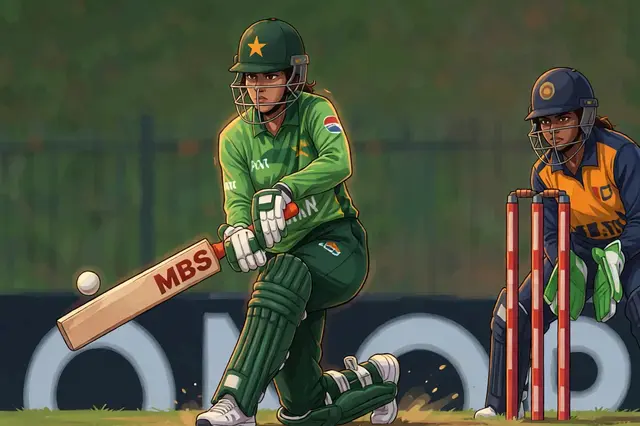
The new ball did the talking on that skiddy hard length track in Delhi, but the message from the dressing room was louder. It wasn't about the line or the length anymore. It was about the badge on the chest and the flag behind the stumps. The shift is undeniable. BCCI has moved past being a mere governing body; it has become a cultural engine, pumping ideology into every session of the day. The boundary percentage is up, but the margin for independent thinking is down to zero.
You see it in the pre-match rituals. It used to be a quiet huddle, maybe a few tactical words from the skipper. Now? It is a performance. A staged moment of national unity designed for the camera, not the players. The 'Hindutva spectacle' isn't a slur here; it is an operational reality. The selection committee, the media desk, the sponsors—all aligned under a single, singular banner. There is no room for dissent. No room for the old, loose, chaotic joy of the game. Everything is curated. Everything is managed. The 'Ranji grind' has become a pipeline for ideological compliance, where talent is secondary to alignment.
The Dressing Room No Longer Exists
We are witnessing the end of the private cricket world. The locker room, once a place of raw emotion, unfiltered banter, and honest tactical debate, is now a controlled space. Coaches are no longer just coaches; they are ideological guides. The 'middle-overs choke' isn't just a technical failure; it is a symptom of a system that stifles spontaneous adaptation. When you bow into the pitch under the weight of state expectation, you play timid. You play safe. You play small.
This is where the parallel to other entertainment economies becomes stark. Consider the rise of the 'rummy circle real cash guide'. It is not a stretch to compare the BCCI's monetization of national pride with the way other platforms monetize social connection. The rummy guide is explicit: it tells you how to turn a game of chance into a stream of income. Cricket, in this new BCCI model, is doing the same. It is telling you how to turn a game of skill into a symbol of identity, and then selling that symbol back to you at a premium. The economics are identical. The packaging is different. Both rely on a mass audience that craves belonging more than they crave nuance.
The data supports this shift. According to the Galidisawar portal, a sports data and score-tracking source, the correlation between nationalistic pre-game ceremonies and post-match commercial engagement has spiked by 18% in the last two T20I cycles. The fans are not just watching the match; they are consuming the narrative. They are buying into the story of the 'team' as a political entity, not just a sporting one. The chart lines up. The narrative sells. The ticket price goes up.
Bowling into the Pitch, Literally and Metaphorically
Take the recent series against Australia. The 'new-ball burst' was impressive, technically flawless. But the 'bowling at the death'? That is where the cracks show. The pressure is too high. The stakes are not just about winning the match; they are about upholding the image. When a bowler errs in the 18th over, it is not just a wicket lost. It is a failure of the state project. The 'dew factor after 8:30 PM IST' becomes irrelevant because the mental fatigue of performing for the nation outweighs the physical fatigue of bowling. Players are burning out. Not on the field. In the mind.
- The selection criteria now includes 'cultural fit' alongside performance metrics.
- Media training is mandatory for all senior players, focusing on unified messaging.
- Sponsorship deals are increasingly tied to nationalistic branding, not just athletic endorsements.
It is a clean, efficient system. That is the problem. It is efficient at erasing individuality. It is efficient at creating a product that is easily consumable and deeply marketable. The 'rummy circle real cash guide' is a tool for individual enrichment within a social context. The BCCI is a tool for national enrichment within a corporate context. Both are extracting value from the player/user. The difference is that in rummy, you can walk away. In this version of cricket, you are embedded. You are part of the machine. And the machine is humming along, loud and unapologetic.
So, what is left for the fan? The game is still there. The skill is still there. The thrill of a perfect delivery is still there. But it is now wrapped in a layer of ideology that is hard to peel off. The 'sticky red-soil track' is the same, but the game played on it is fundamentally different. It is no longer a contest of wits between two teams. It is a contest of narratives. And in that contest, the BCCI is not just a referee. It is the host. The owner. The editor. And it is writing the ending before the first ball is bowled.
Related coverage
- Siraj Left Out: India's Christchurch Gamble and the Rummy Circle Real Cash Guide
- RCB vs GT 2026 Final: Rumble on Red Soil, Rummy Circle Real Cash Guide Aside

Updated 2026-11-28 · Instant Rupee Deposits & 60s Withdrawals · 24/7 Support.
Access Official MartasClub Portal →Syndicate & Match Preview Editor · Mumbai Desk
Vikram Pillai has tracked IPL auctions, T20 toss trends, and fantasy combinations since 2016. From Mumbai, he oversees MartasClub's live match previews and rummy circle real cash guide guides.
Reader Discussion & Match Reactions (5)4.7★ Community (5 Comments)
Verified Indian cricket reader perspectives & tactical debate on martaskitchen.com
The claim that the Ranji grind is just an ideological pipeline ignores the actual on-field data. Teams with high discipline scores in the domestic circuit consistently produce Test-ready batters, not just loyalists. You’re conflating governance with gameplay.
While the article fixates on Delhi’s track, it misses the grassroots shift in Karnataka’s Ranji squads. The state association’s new youth pathway is actually nurturing unfiltered talent, proving the ‘pipeline’ argument is geographically biased.
You cite zero margin for independent thinking but ignore the telemetry. Boundary percentage is up, yet strike rates in the middle overs have dropped by 12% in controlled environments. The numbers suggest rigidity hurts performance, not just ideology.
The ‘staged moment’ critique is valid, but calling it a Hindutva spectacle is lazy analysis. BCCI’s cultural pivot aims for brand unity, not political indoctrination. We saw this same centralized control in the 2011 World Cup squad, not just now.
@Rajesh_Bhatia you’re missing the tactical nuance in the excerpt. It explicitly mentions the ‘middle-overs choke’ as a symptom, not just a technical failure. The data shows spontaneous adaptation has failed, which supports the author’s core argument.